Embracing Fennel: From Polarizing Palate to Culinary Gem
Fennel, with its distinctive anise-like aroma and flavor, is one of those ingredients that often elicits strong reactions – a true love-it-or-hate-it vegetable, much like black licorice. However, for those willing to explore its culinary potential, fennel offers an incredible spectrum of tastes and textures that can elevate a myriad of dishes. Its versatility shines through its long season, typically spanning from crisp autumn (October) through verdant spring (April), making it a consistent star in the kitchen.
For the skeptics, there's excellent news: the intense, sometimes overpowering anise notes of raw fennel become remarkably muted and mellowed when subjected to heat or combined thoughtfully with other ingredients. This transformation unlocks a subtle sweetness and a tender texture that can convert even the staunchest of detractors into ardent admirers. From simple salads to sophisticated braises, the possibilities for
From Skeptic to Lover: 11 Chef-Approved Ways to Cook Fennel are truly boundless.
Mastering the Fundamentals: Selecting and Preparing Fennel
Before you can embark on your fennel cooking adventure, understanding how to select and prepare this unique vegetable is key. This odd-shaped bulb, complete with feathery fronds and sturdy stalks, might seem daunting at first glance, but it's surprisingly straightforward.
How to Select the Perfect Fennel Bulb:
When choosing fennel, look for bulbs that are:
- Heavy for their size: This indicates freshness and juiciness.
- Tightly packed layers: Avoid bulbs with loose or separating layers, which can indicate older produce.
- No bruising or soft spots: The bulb should be firm and unblemished.
- Firm stalks (if attached): The stalks should be crisp, not limp or wilting.
- Bright green fronds: The feathery leaves should look fresh and vibrant, not yellowed or dried out.
Preparing Your Fennel: Every Part is Edible!
One of the most appealing aspects of fennel is that virtually every part of the plant – from the bulb to the stalks and delicate fronds – is edible and delicious.
- Trim the Stalks: Cut away the green stalks close to where they meet the bulb. Don't discard them! These can be juiced (as chef Flynn McGarry suggests for vinaigrettes), added to stocks, or even finely diced for certain recipes.
- Remove Outer Layer (Optional): If the outermost layer of the bulb looks tough or blemished, peel it away. Otherwise, leave it on for maximum flavor and texture.
- Halve or Quarter the Bulb: Depending on your recipe, you can halve the bulb lengthwise, or quarter it while keeping the core intact to hold the layers together during cooking.
- Slicing and Shaving: For raw preparations, use a sharp knife or a mandoline to achieve paper-thin slices. Aksel Theilkuhl, executive chef at The Bygone, even soaks his shaved fennel in ice water to make it curl up, adding a whimsical texture to salads.
- Chop the Fronds: The delicate, dill-like fronds are fantastic as a garnish, much like fresh herbs.
The Raw Allure: Crisp, Bright, and Refreshing Fennel Preparations
Raw fennel offers a delightful crunch and a vibrant, assertive anise flavor that can be incredibly refreshing, particularly when prepared with a light touch. This is where fennel truly shines in salads, delivering a crisp texture and a pungent aroma that cuts through richness.
Chef Gabriele Carpentieri of Morandi loves raw fennel in salads, highlighting its invigorating crispness. Aimee Olexy, a seasoned restaurateur, creates a masterful pairing by shaving fresh fennel, refreshing it in salt water, and combining it with sweet, creamy buffalo milk cheese like burrata or mozzarella, finished with a touch of olive or almond oil and aged vinegar. The fennel's hydrating crunch perfectly balances the richness of the cheese.
For those who find the raw anise flavor a bit too intense, there are chef-approved tricks to temper it:
- Thin Slicing: As many chefs like Danny Grant of etta recommend, shaving the bulb paper-thin with a mandoline or sharp knife helps to mellow the intensity and makes the fennel more palatable.
- Ice Bath: Soaking thinly sliced or shaved fennel in ice water for 15-30 minutes not only crisps it up beautifully but can also slightly soften its more pungent notes.
- Acid and Oil: A simple dressing of good quality extra virgin olive oil and fresh lemon juice, as suggested by Flynn McGarry, can harmonize the flavors, brightening the fennel without overwhelming it.
Consider incorporating finely diced raw fennel into a vibrant slaw, or as a crunchy element in a ceviche, where its flavor can stand up to the acidity of citrus and the richness of seafood.
Transforming Fennel: The Magic of Heat and Mellow Flavors
The true magic of fennel unfolds when it meets heat. Cooking fennel fundamentally transforms its character: the strong anise notes mellow significantly, giving way to a beautiful sweetness and a wonderfully tender, almost buttery texture. This is a game-changer for fennel skeptics, revealing a side of the vegetable that is warm, aromatic, and deeply satisfying. This transformation makes it perfect for
Transform Fennel: From Crunchy Anise to Tender & Mellow Dishes.
Braising: Tender, Aromatic, and Flavorful
Braising is a fantastic technique to achieve incredibly tender and flavorful fennel. Executive chefs Jennifer Carroll and Billy Riddle of Spice Finch favor braising fennel with preserved orange, white wine, and garlic, creating a dish that can stand alone or perfectly complement fish and lighter meats. Similarly, Gabriele Carpentieri enjoys braising fennel in an aromatic vegetable stock, infused with onions, celery, coriander seed, star anise, thyme, and bay leaves, served with a delicate branzino or orata.
To braise fennel:
- Sauté quartered or thickly sliced fennel in olive oil until lightly caramelized.
- Add your liquid of choice – vegetable stock, white wine, citrus juice, or a combination – along with aromatics like garlic, herbs, and spices.
- Cover and simmer gently until the fennel is fork-tender and beautifully infused with the braising liquid.
The slow cooking process allows the fennel to absorb complex flavors while its own assertive notes become understated and sweet.
Roasting: Caramelized Sweetness and Depth
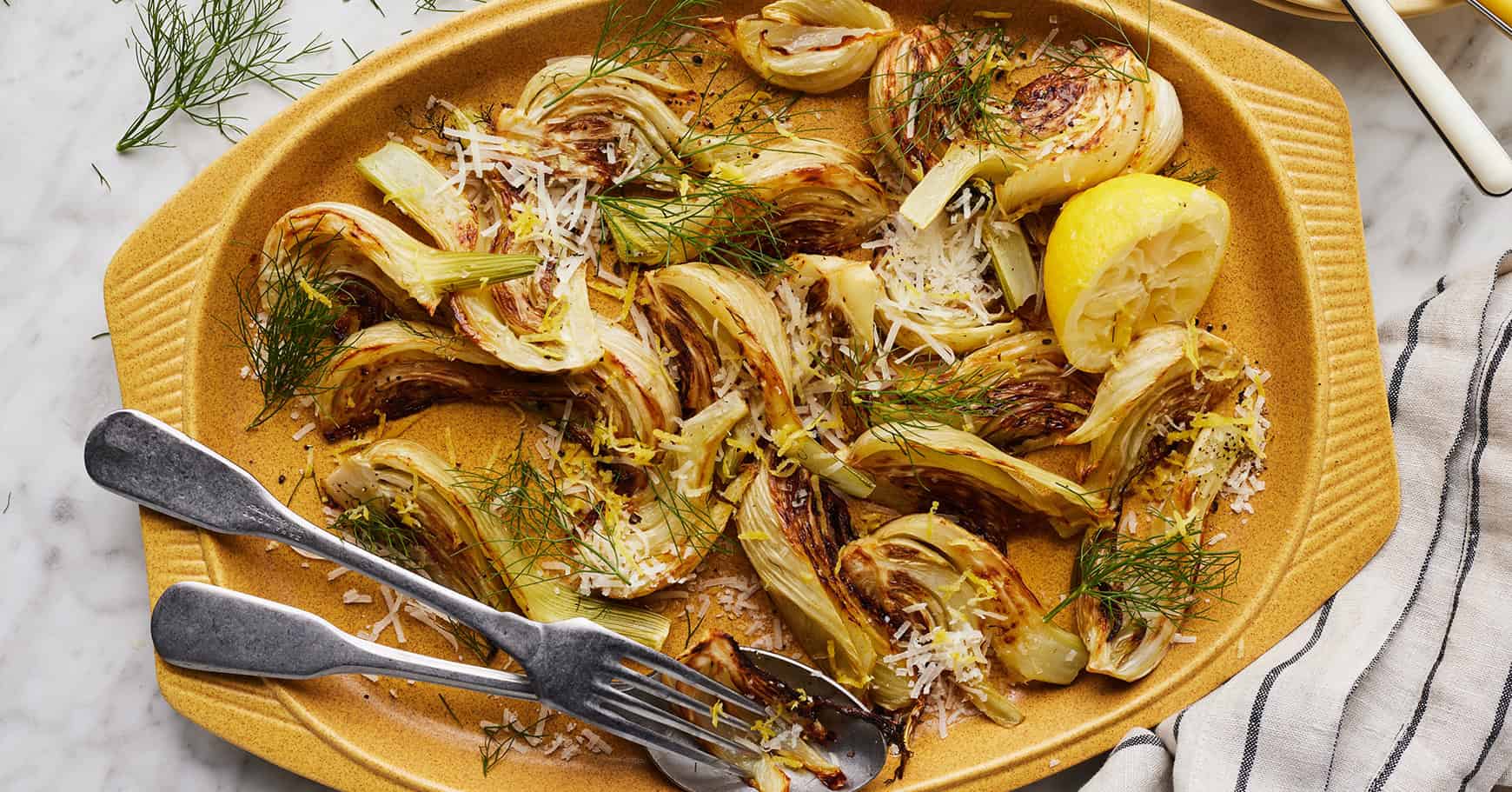
Roasting fennel is perhaps one of the simplest yet most rewarding ways to prepare it. The high heat coaxes out the fennel's natural sugars, leading to delicious caramelization and a soft, succulent interior. Jesus Nuñez, executive chef at Sea Fire Grill, keeps it simple and effective: whole fennel bulbs seasoned with salt, pepper, and extra virgin olive oil, then roasted covered with aluminum foil until tender.
For a perfect roasted fennel:
- Cut the bulb into quarters or thick slices, keeping a bit of the core intact to hold the layers.
- Toss with good quality olive oil, salt, and freshly ground black pepper. You can also add a pinch of chili flakes, a squeeze of lemon, or fresh herbs like thyme.
- Roast in a hot oven (around 400°F/200°C) until tender and beautifully caramelized, usually 30-45 minutes depending on the size of the pieces. Covering it for the first half of the roasting time, as Nuñez suggests, helps to steam and tenderize it before browning.
Roasted fennel makes an excellent side dish for roasted meats, poultry, or fish, or can be added to pasta dishes and grain bowls.
Gentle Cooking and Wilting: A Delicate Balance
Danny Grant, executive chef at etta, offers a refined approach to gently cooking fennel. He thinly shaves peeled bulbs, seasons them with salt, and covers them with extra virgin olive oil. The fennel is then gently cooked until slightly wilted, removed from the oil, and finished with capers, preserved lemon zest, parsley, a sprinkle of fennel pollen, and a final squeeze of lemon juice. This method highlights the fennel's delicate texture and flavor, making it a "best accompaniment for a simple salad or a beautiful piece of fish." This technique balances the raw crunch with a subtle cooked tenderness, preserving freshness while softening the texture.
Beyond the Bulb: Utilizing Every Edible Part of Fennel
The versatility of fennel extends beyond its bulb. Every part of this remarkable plant offers unique flavor and texture contributions to your culinary creations.
The Stalks: More Than Just Waste
While often discarded, fennel stalks are rich in flavor and can be put to excellent use. As Flynn McGarry, executive chef at Gem, demonstrates, juicing fennel stalks creates a bright, anise-infused liquid perfect for vinaigrettes, especially when paired with raw fish. The stalks can also be finely diced and added to mirepoix for stocks, soups, or sauces, imparting a subtle depth without the stronger texture of the raw bulb.
The Fronds: Aromatic Garnishes and Flavor Boosters
The delicate, feathery fronds of fennel resemble dill and possess a milder, more herbaceous anise flavor than the bulb. They are perfect for:
- Garnish: Sprinkle chopped fronds over finished dishes – salads, roasted vegetables, fish, or even soups – for a burst of fresh flavor and visual appeal.
- Herbal Element: Incorporate them into pestos, herb dressings, or compound butters. Their aromatic qualities are a wonderful complement to many savory dishes.
- Flavor Infusion: Add them to a simmering stock or braising liquid, similar to how you would use bay leaves or thyme.
Fennel Pollen: The "Spice of Angels"
Often referred to as "the spice of angels," fennel pollen is a prized ingredient known for its concentrated sweet and potent fennel flavor. Though it can be harder to source and more expensive, a tiny pinch of fennel pollen can dramatically enhance dishes, especially those featuring pork, fish, or even certain desserts. Danny Grant uses it to finish his gently wilted fennel, showcasing its power as a sophisticated flavor enhancer. If you come across it, don't hesitate to experiment with this golden dust!
Conclusion
From its crisp, assertive raw state to its sweet, mellow, and tender cooked forms, fennel is an incredibly versatile ingredient that deserves a place in every adventurous kitchen. Whether you're a lifelong devotee of its licorice notes or a curious skeptic ready for a culinary conversion, the top tips from these esteemed chefs provide a roadmap for exploring fennel's full potential. So, next time you see that distinctive bulb, grab it and embark on your own journey from raw to roasted – you might just discover your new favorite vegetable.