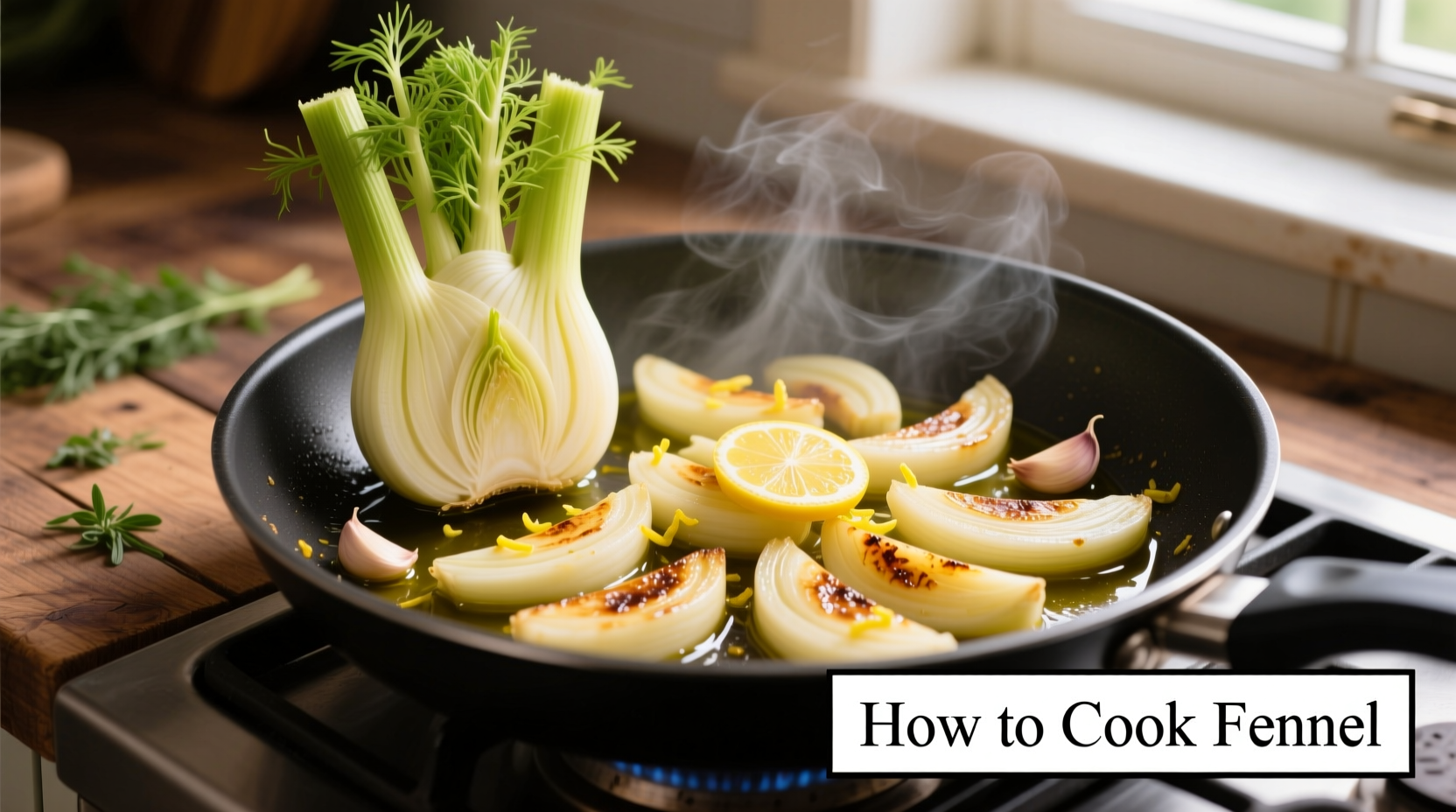
Fennel, with its distinctive bulbous base, feathery fronds, and often polarizing anise-like flavor, is a culinary enigma for many. For some, it evokes memories of black licorice, a taste they either adore or abhor. Yet, for those willing to look beyond its raw intensity, fennel offers a spectacular culinary journey, transforming from crisp and potent to incredibly tender, sweet, and mellow when subjected to the right cooking techniques. This transformation is key to understanding how to cook fennel, unlocking its immense versatility and allowing it to shine in an array of dishes.
Thriving throughout a long season from October to April, fennel is a gift from fall through spring. While its strong flavor can be daunting raw, it softens beautifully when cooked or even when expertly prepared uncooked, proving that it's an ingredient ripe for exploration. Every part of this remarkable plant, from bulb to stalk to frond, is edible, offering a spectrum of textures and flavors waiting to be discovered.
Demystifying Fennel: Understanding the Bulb and its Flavor Profile
Before diving into specific cooking methods, it's essential to understand the essence of fennel. Visually, it's a striking ingredient: a pale green to white bulb, often with vibrant green stalks and delicate, dill-like fronds emerging from its top. Its flavor, as mentioned, is characterized by an aromatic, slightly sweet, anise or licorice note. When raw, this flavor is pronounced and crisp, offering a refreshing bite. However, applying heat introduces a fascinating change: the anise compounds mellow, the natural sugars caramelize, and the texture softens to a buttery tenderness, unveiling a sweeter, more nuanced profile.
Selecting the perfect fennel bulb is the first step toward a successful dish. Look for bulbs that feel heavy for their size, with tightly packed layers and no signs of bruising or discoloration. The stalks, if present, should be firm and the fronds vibrant green and fresh, not wilted. Once you have your ideal bulb, basic preparation is simple: trim off the stalks close to where they meet the bulb (don't discard them, they're useful!), and often the very root end is also trimmed. The outer layer of the bulb can be peeled if it appears tough or discolored, though it's often tender enough to leave on. From here, your culinary adventure truly begins.
Raw Revelations: Embracing Fennel's Crispness and Freshness
Don't let the strong anise scare you away from raw fennel. When prepared correctly, it offers a delightful crunch and a vibrant freshness that can elevate salads and light appetizers. The trick lies in how you slice and pair it, as many top chefs demonstrate:
- Paper-Thin Perfection: For raw preparations, chefs often recommend achieving paper-thin slices. Danny Grant, executive chef at etta, expertly shaves the bulbs on a mandoline. Similarly, Aksel Theilkuhl of The Bygone prefers to shave fennel with a knife or mandoline until it's "paper-thin." This thinness helps to mitigate the raw intensity, distributing the flavor more subtly across the palate.
- Hydration and Curl: Aksel Theilkuhl takes his raw fennel a step further by soaking the paper-thin slices in ice water. This technique not only makes them incredibly crisp but also causes them to curl, creating an attractive, almost "curly fries" aesthetic, perfect for salads. He uses this in a unique salad tossed with pure buttermilk, salt, pepper, and fresh chives, where the creamy buttermilk beautifully complements the fennel's bite.
- Bright Acid and Healthy Fats: Flynn McGarry, executive chef at Gem, embraces fennel's freshness by juicing the stalks for a bright vinaigrette, which he then uses for raw fish. He pairs this with thinly sliced bulbs dressed simply in olive oil and lemon. The acidity of the lemon cuts through the fennel's potency, while the olive oil adds a luscious richness.
- Creamy Pairings: One of the most inspired raw fennel combinations comes from restaurateur Aimee Olexy, who pairs fresh shaved fennel (refreshed in salt water and dried) with sweet, rich buffalo milk cheeses like burrata or buffalo mozzarella. She notes that "fennel really embraces the sweet, milky cheese," with the richness of the dairy beautifully balancing the fennel's hydrating crunch and distinct flavor. A drizzle of olive or almond oil, aged vinegar, and warm crusty bread complete this harmonious pairing.
These chef-approved methods illustrate that raw fennel is far from a one-note ingredient. By embracing thin slicing, refreshing in cold water, and pairing it with bright acids, healthy fats, or creamy elements, you can transform it into a refreshing and sophisticated component of your meals. For more insights into how culinary experts handle fennel from its raw state to its fully cooked forms, consider exploring articles like From Skeptic to Lover: 11 Chef-Approved Ways to Cook Fennel.
The Magic of Heat: Transforming Fennel's Texture and Taste
While raw fennel has its merits, heat is where this versatile vegetable truly undergoes its most dramatic metamorphosis. The crunchy, anise-forward bulb softens, sweetens, and mellows, developing a caramelized depth that can completely change the perception of "licorice-like" fennel.
- Braising for Ultimate Tenderness: Braising is a fantastic method for achieving incredibly tender fennel with a deeply infused flavor. Jennifer Carroll and Billy Riddle, executive chefs at Spice Finch, braise fennel with preserved orange, white wine, and garlic, creating a fragrant and flavorful side dish that pairs wonderfully with fish or lighter meats. Similarly, Gabriele Carpentieri, executive chef at Morandi, enjoys braising fennel in an aromatic vegetable stock rich with onions, celery, coriander seed, star anise, thyme, and bay leaves, finished with olive oil and sliced lemon—an ideal accompaniment for branzino or orata. The slow, moist heat breaks down the fennel's fibers, allowing it to absorb the flavors of the braising liquid while its own assertive notes soften into a subtle sweetness.
- Roasting for Caramelized Sweetness: Roasting brings out fennel's natural sugars, leading to beautiful caramelization and a profound sweetness. Jesus Nuñez, executive chef at Sea Fire Grill, keeps it simple yet effective: he roasts whole fennel bulbs seasoned with just salt, pepper, and extra virgin olive oil, covering them with aluminum foil during the process. Covering the fennel helps to steam it initially, ensuring tenderness, before allowing it to brown and caramelize towards the end. This method produces fork-tender fennel with a wonderfully complex, sweet, and earthy flavor. Cut into wedges, roasted fennel makes an excellent side dish or addition to grain bowls.
- Gently Wilted and Flavored: A unique approach comes from Danny Grant, who lightly peels and thinly shaves fennel bulbs, then seasons them with salt and covers them with extra virgin olive oil. He gently cooks them until just slightly wilted, then removes them from the oil and finishes with capers, preserved lemon zest, parsley, fennel pollen, and lemon juice. This method offers a middle ground between raw and fully cooked, providing a softer texture while retaining a hint of fresh crunch, all enhanced by bright, briny, and aromatic finishing touches.
These diverse techniques demonstrate that whether you prefer it braised until silky, roasted until golden and sweet, or gently wilted with vibrant accompaniments, heat transforms fennel into a remarkably delicious and versatile vegetable. The key to how to cook fennel successfully often lies in understanding how heat impacts its unique flavor compounds and texture, coaxing out its hidden sweetness and delicate aromas.
Beyond the Bulb: Utilizing Stalks, Fronds, and Pollen
One of the most appealing aspects of fennel is its "nose-to-tail" usability; virtually every part of the plant can be incorporated into your cooking, minimizing waste and maximizing flavor.
- Fennel Stalks: While often discarded, the stalks hold considerable flavor. As Flynn McGarry brilliantly demonstrates, they can be juiced to create a vibrant base for vinaigrettes, lending a subtle anise note. Beyond juicing, fennel stalks are excellent additions to vegetable stocks, soups, and stews, providing depth and aroma without overpowering the dish. Chop them finely and sauté with onions and celery for an aromatic mirepoix.
- Fennel Fronds: These delicate, feathery greens resemble dill and possess a milder, fresher version of the fennel flavor. They are perfect for garnishing dishes, adding a touch of elegance and fresh herbaceousness to salads, roasted vegetables, fish, or even omelets. Think of them as a versatile herb that can be chopped and stirred into dressings, pestos, or sprinkled over finished plates for a burst of freshness.
- Fennel Pollen: Often referred to as "the spice of angels," fennel pollen is a gourmet ingredient known for its concentrated, sweet, and aromatic flavor. It carries a potent dose of fennel's distinct taste with notes of honey and citrus. As Danny Grant incorporates it, fennel pollen makes an exceptional seasoning for fish, roasted vegetables, pork, or even sprinkled over fresh salads, providing an intense, ethereal burst of flavor. While it can be expensive, a little goes a long way, making it a worthy indulgence for special dishes.
Embracing these often-overlooked parts of the fennel plant not only enhances the flavor complexity of your dishes but also promotes a more sustainable approach to cooking. Knowing how to cook fennel completely means appreciating the unique contributions of its entire structure.
Conclusion
Fennel truly is a transformative ingredient. From its initial crunchy, assertive anise character when raw to the mellow, sweet, and tender delight it becomes when cooked, it offers a remarkable culinary journey. Whether you're shaving it paper-thin for a vibrant salad, slow-braising it to a buttery consistency, or roasting it until caramelized and sweet, understanding how to cook fennel unlocks its full potential. So, next time you encounter this distinctive bulb, don't shy away. Embrace the opportunity to experiment with its diverse textures and evolving flavors, and you might just find yourself falling in love with this extraordinary vegetable.
